
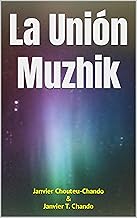
"The Union Moujik" is a novel by Janvier Chouteu-Chando (also credited as Janvier Chando or Janvier Tisi), first published around 2005 and reissued in later editions (e.g., 2022 paperback). It is a post-Soviet drama that explores the collapse of the USSR through the eyes of its protagonist, blending personal reflection, historical insight, and cultural observations about Russia, Ukraine, Belarus, and other former Soviet republics.
The narrative begins with Boris on a Siberian train journey, which triggers memories of the Soviet Union's heyday. As he travels, he reflects on his life, the grand infrastructure projects he helped build, and the ethnic and cultural diversity of the regions he knows intimately (particularly Southern Yakutia). The book follows him and his circle of "muzhiks" (ordinary Russian peasants/workers) as they navigate the chaotic post-Soviet landscape.Key Themes and Elements
- Nostalgia vs. Reality: Boris and his friends lament the breakup of the Soviet Union while confronting the new realities of nationalism, economic upheaval, and shifting identities in the former republics.
- Self-Discovery and Russia's Soul: The novel portrays Russia's (and the broader post-Soviet space's) search for meaning after communism. Boris's journey is both literal and metaphorical, highlighting his humaneness, self-sacrificing nature, and struggles with the rise of "feeble-minded nationalists."
- Cultural and Ethnic Insights: Boris interacts with diverse ethnic groups, mastering their languages and appreciating local customs, which adds rich anthropological flavor to the story.
- Drama and Revelations: It includes action, intrigue, lofty ideas, and "explosive revelations" that delve into history, politics, and the enigmatic post-Soviet world.
Note: It has been released in English, French, German, Italian, Spanish, Portuguese, and Dutch editions. If you're looking for spoilers or deeper analysis, physical copies or audiobook versions (narrated via Virtual Voice on Audible) would provide the full experience.
SYNOPSIS:
The story centers on
Boris Kukinovich Petrenkov, a larger-than-life former Soviet civil engineer,
apparatchik, and war veteran who embodies the ideals and contradictions of the
Soviet era. Now in retirement in the rugged beauty of Southern Yakutia (Sakha)
in Siberia’s Russian Far East, Boris lives a simple, grounded life close to
nature and the common people—his beloved “muzhiks” (peasants). His log house
overlooks the Aldan River, where he fishes, hikes, bird-watches, and mingles
with the multi-ethnic locals, speaking their languages and sharing their daily
struggles.
Through a rich cast of
characters who express a full spectrum of emotions—grace, anger, regret, hope,
and tenderness—the book delves into the “turmoil of the souls” of individuals
and a nation questioning its identity. It portrays Russia (and Siberia in particular)
as a mysterious, almost mystical land of curses, blessings, and revelations,
raising profound questions about whether the Russian people hold a special
place in history.
Blending personal
introspection, historical reflection, and vivid depictions of Siberian life, The
Union Moujik is a character-driven journey through the end of one era
and the uncertain birth of another. It celebrates resilience, human connection
across ethnic lines, and the practical, selfless spirit of those who built the
Soviet dream—even as that dream unravels.
The novel is noted for
its immersive storytelling, cultural depth, and exploration of big ideas about
ideology, belonging, and the human cost of historical upheaval.



No comments:
Post a Comment